
Roof Turbine Vents

Energy-efficient roof vents for metal buildings

What Are Roof Turbine Vents?

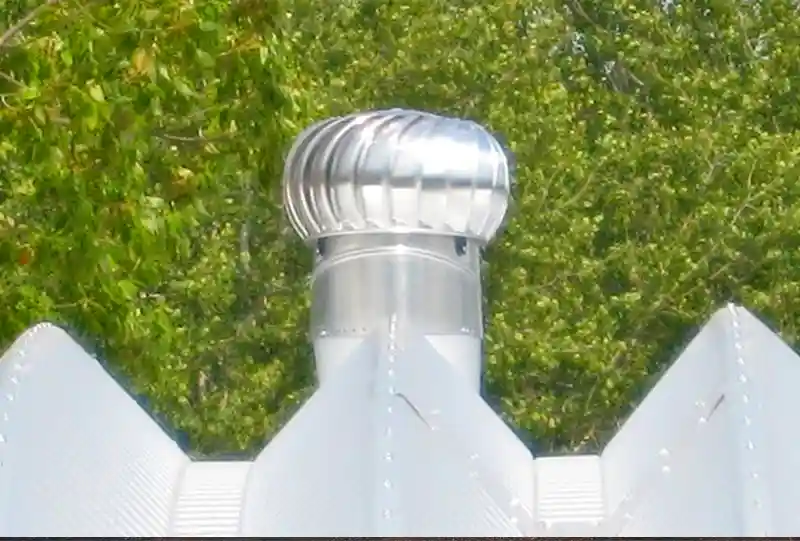
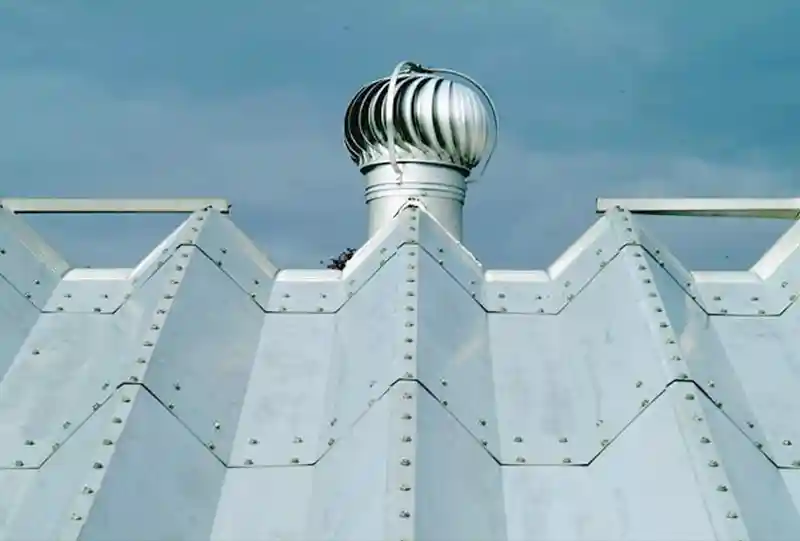
Roof turbine vents are passive ventilators installed near the roof peak of a steel building to promote continuous airflow and natural ventilation. They consist of a spinning turbine cap with angled fins that rotate when wind passes over them, creating a low-pressure zone that draws warm, stale air up and out of the structure. This helps replace hot interior air with cooler, fresher outside air without electricity or moving parts.

How Roof Turbine Vents Work

Turbine roof vents operate using a combination of wind power and basic fluid dynamics. As wind flows over the turbine cap, the angled blades spin, creating suction that actively pulls air out of the building. At the same time, warmer air naturally rises due to thermal buoyancy (sometimes called the stack effect), further improving airflow. The result is a continuous airflow that reduces heat buildup and helps balance interior temperatures.
Why Roof Vents Matter in Metal Buildings

Proper ventilation is critical in steel structures because metal surfaces can trap heat and moisture, especially in warm weather. Without adequate roof vents for metal buildings, interior heat can accumulate under the roof panels, raising temperatures and increasing the load on HVAC systems. Good ventilation also helps reduce condensation, which can lead to corrosion, mold, and insulation damage over time.

Key Benefits of Turbine Vents

  • Improved Airflow and Comfort: Turbine vents help remove hot, stale air from workshops, garages, and storage areas, improving comfort.

  • Reduced Heat Buildup: By expelling warm air near the roof, turbine vents help lower interior temperatures, especially during hot periods.

  • Lower Risk of Condensation: Continuous airflow helps prevent moisture from collecting on cold metal surfaces, protecting structural components and stored goods.

  • Low Maintenance and Passive Operation: Roof turbine vents are powered by wind and thermal airflow, requiring no electricity and minimal upkeep.

  • Extended Roof and Insulation Lifespan: Balanced ventilation reduces stress on insulation and roof panels, supporting long-term performance.

Ideal Applications for Turbine Roof Vents

  • Workshops and garages

  • Industrial workspaces

  • Agricultural storage buildings

  • Commercial warehouses

  • Any structure where heat, fumes, or moisture can accumulate under the roof

Choosing the Right Roof Ventilation

While turbine vents are a powerful natural ventilation solution, effective airflow often involves a balanced system of intake and exhaust vents. For example, combining turbine vents with properly placed intake openings or louvers can help maximize airflow and prevent pressure imbalances inside the building.

By installing a well-designed roof vent, you enhance comfort, energy efficiency, and the overall longevity of your metal building while leveraging a low-cost, maintenance-friendly solution.

For more information on choosing the right vents for your steel building please call 1-888-995-3432.


Roof Turbine Vents FAQs

Roof turbine vents are installed on the roof of a steel building to improve natural airflow and reduce heat buildup. In steel building roof systems, they help remove warm, stale air and moisture from the interior, creating a more balanced and comfortable environment.

Roof turbine vents operate using wind power and natural air movement. As the wind turns the turbine, it creates suction that pulls hot air upward and out of the building. This makes them highly effective roof vents for metal buildings without requiring electricity or complex mechanical systems.

Yes. Roof turbine vents are especially beneficial in warm climates where steel buildings can trap heat under roof panels. By continuously exhausting rising hot air, turbine vents help lower interior temperatures and reduce strain on cooling systems.

Yes. Steel building roof vents help control moisture by improving airflow. Proper ventilation reduces condensation on metal surfaces, helping protect insulation, structural components, and stored equipment from corrosion and damage.

Yes. Roof turbine vents are designed to integrate with steel arch buildings and can be installed along the roofline without affecting structural integrity. Proper placement ensures optimal airflow while maintaining the building’s strength and performance.

No. Turbine roof vents are passive ventilation systems. They rely on wind movement and natural thermal airflow to operate, making them an energy-efficient solution for roof vents in metal buildings.

The number of roof turbine vents required depends on the building’s size, layout, and use. Larger steel buildings or structures with higher heat loads may require multiple vents to maintain proper airflow. A building specialist can recommend appropriate placement and quantity.

Yes. Roof turbine vents often work best when paired with intake vents, louvers, or ridge openings. A balanced ventilation strategy ensures consistent airflow throughout the steel building roof system.

Absolutely. Roof turbine vents are commonly used in agricultural storage, workshops, warehouses, and industrial & commercial steel buildings to naturally and efficiently control heat, humidity, and fumes.

Roof turbine vents are low maintenance due to their simple mechanical design. Periodic inspections to ensure free rotation and debris clearance are typically sufficient to maintain long-term performance.

Let Us Help You Every Step of the Way

We promise the best product & service for your steel building project.

"*" indicates required fields

Step 1 of 5 - 20 % Complete

Building Dimensions Building Dimensions
What Best Describes Your Building?
What Best Describes Your Building?*