


Why is the Canadian steel building industry growing? It wasn’t long ago that a drive down a Canadian highway meant passing mostly wood, concrete, or mixed-material structures. Take that same drive today, and steel buildings show up far more often. A few real reasons explain the shift. Here’s why the Canadian steel building industry is growing. Steel fits Canada's climate, construction season and remote sites better than the alternatives, and that shows up on every highway.
Key takeaways
- Made for Canadian winters. Steel handles snow loads and freeze-thaw cycles.
- Faster in a short season. Most work happens in the factory before the ground thaws.
- Better for remote sites. Bolt-together assembly needs fewer skilled trades on site.
- Engineered to Canadian codes. Each building is designed under the National Building Code of Canada.
Why steel fits Canada specifically
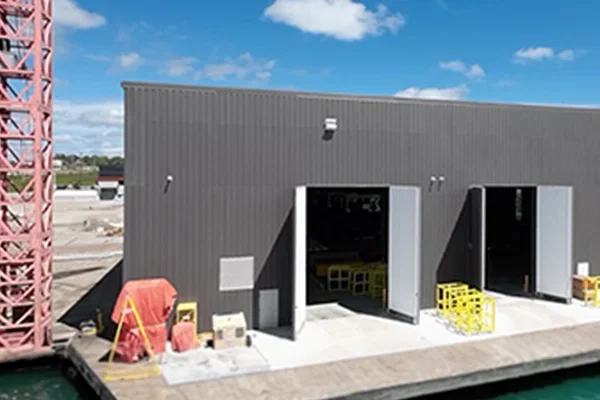
- Built for Real Winters: Steel handles harsh Canadian winter weather better than wood, resisting the damage that comes with repeated freeze-thaw cycles — a real factor across most of the country, not just its coldest regions.
- Pest & Fire Resistant: Steel resists fire and termite damage in ways wood buildings remain vulnerable to, a genuine concern in wildfire-prone western provinces specifically.
- Faster Assembly: Prefabricated construction means no building from the ground up on-site, a real advantage during Canada’s shorter outdoor construction season.
6 reasons the Canadian steel building industry is growing
The short version of why every Canadian steel building supplier is busy.
1. Built for real winters
Steel handles snow and freeze-thaw cycles better than wood.
2. Pest and fire resistant
A real concern in wildfire-prone western provinces.
3. Faster assembly
Prefabrication suits Canada's short construction season.
4. Lower lifetime cost
Less repair and maintenance than wood or concrete.
5. Remote-site friendly
Most skilled work happens in the factory.
6. Demand across industries
Agriculture, logistics and commercial all drive growth.
Why steel is winning on cost and sustainability
Beyond durability, steel buildings typically cost less to repair and maintain over their lifetime than wood or concrete alternatives, and prefabrication cuts labor costs at the assembly stage. Steel is also more environmentally responsible — it requires fewer resources to manufacture, can be recycled at the end of its useful life, and lasts significantly longer than wood or concrete, making it more resource-efficient overall.
Canada's shorter construction window
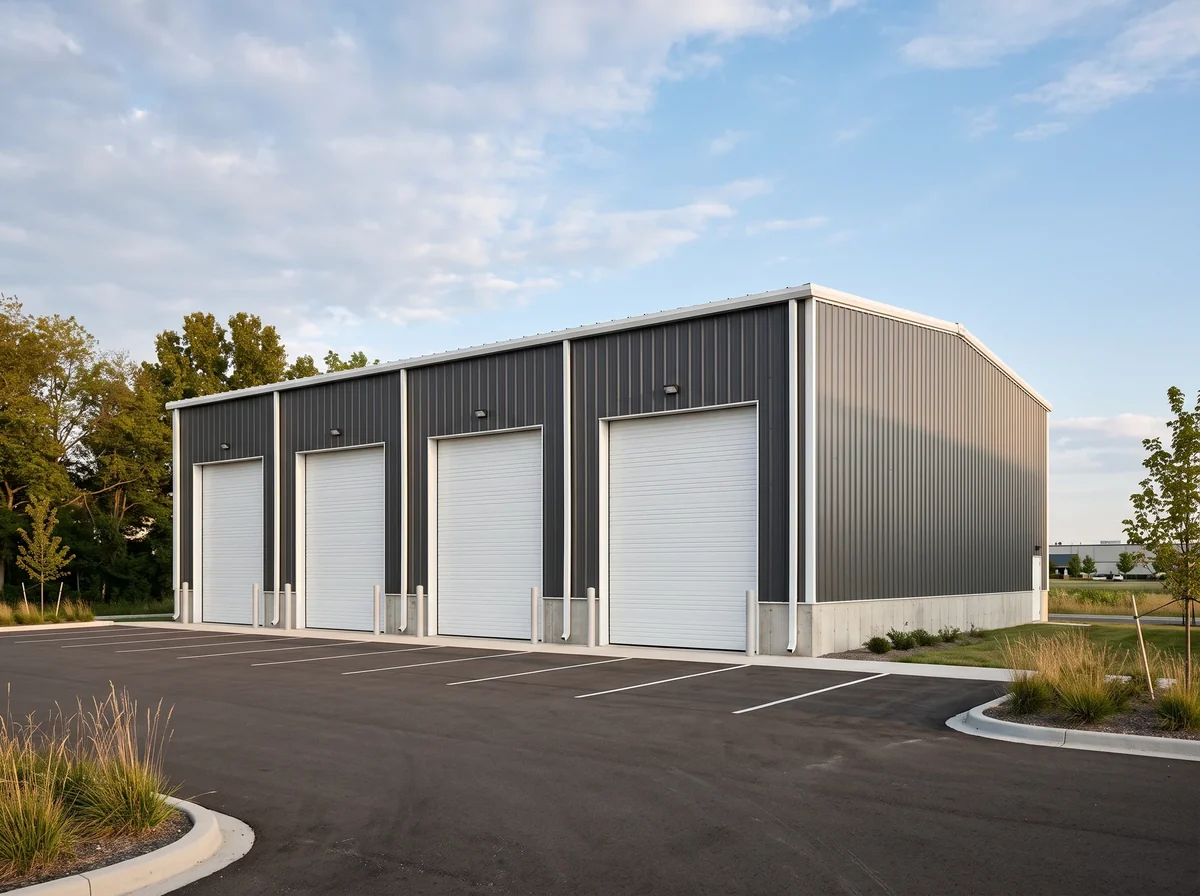
Much of Canada has a genuinely short outdoor construction season, with winter conditions making conventional on-site building work slow or impractical for months at a time. A prefabricated steel building shifts most of the labor-intensive work into factory conditions ahead of time, so the on-site portion — foundation and assembly — can move quickly once weather allows, rather than a project stretching across two separate construction seasons.
A material built for the climate, not adapted to it
Wood construction in Canada often requires extra measures — additional vapor barriers, more aggressive moisture management, more frequent maintenance — specifically to compensate for the climate. Steel doesn’t need those same accommodations, since its resistance to moisture, pests, and temperature swings is inherent to the material rather than something bolted on afterward.
Steel buildings across Canada's regions
Different provinces, different priorities.
| Region | Main design concern | What it means for your building |
|---|---|---|
| Atlantic Canada | Wind, rain and coastal salt air | Wind bracing and corrosion-resistant Galvalume Plus steel |
| Quebec | Heavy snow and long winters | Snow load engineering and good insulation |
| Ontario | Snowbelts and freeze-thaw cycles | Snow loads that vary a lot within the province |
| Prairies | Wind, cold and wide open sites | Wind loads and large clear spans for farms |
| British Columbia | Seismic activity, mountain snow and wildfire | Seismic and snow engineering; non-combustible steel |
| The North | Extreme cold and remote access | Prefabrication and fewer on-site trades |
General overview. Every building is engineered for its exact address.
Steel vs. wood and concrete in Canada
How the options compare in a Canadian climate.
| Factor | Steel | Wood | Concrete or masonry |
|---|---|---|---|
| Snow and freeze-thaw | Engineered for local loads | Moisture and movement over time | Can crack with freeze-thaw |
| Fire | Non-combustible | Combustible | Non-combustible |
| Build speed | Fast bolt-together assembly | Slower on-site framing | Slowest; weather-sensitive |
| Maintenance | Very little | Painting, sealing, repairs | Repairs to cracks and joints |
| Remote sites | Few skilled trades on site | Needs framing crews | Needs specialized crews |
Read more in why steel is a better choice than wood and pole barn vs. steel barn.
Remote and rural construction advantages
Much of Canada’s landmass is rural or remote, where sourcing skilled labor and construction materials locally can be genuinely difficult. A prefabricated steel building minimizes on-site labor requirements — most of the skilled work happens at the factory, with the on-site portion limited to foundation and straightforward bolt-together assembly. That matters more in a country where the nearest qualified conventional-construction crew might be hours away, rather than a minor convenience.
Growing demand across industries
Canada’s steel building growth spans far beyond any single sector — agricultural operations, growing e-commerce and logistics demand, and commercial construction have all contributed to steel becoming the default choice rather than an alternative material. That breadth of adoption across genuinely different industries is itself a signal that the shift isn’t a passing trend tied to one sector’s needs.
| Sector | Common Canadian steel building uses |
|---|---|
| Agriculture | Barns, hay and grain storage, machinery sheds, horse barns |
| Logistics and e-commerce | Warehouses, distribution centres, cross-docks |
| Commercial | Retail, auto shops, offices and showrooms |
| Industrial and resource | Mining, oil and gas, workshops and equipment storage |
| Residential | Garages, workshops and barndominiums |
Planning a Canadian steel building around the seasons
Order early, build when the ground is ready.
| When | What to do |
|---|---|
| Late fall to winter | Design, engineering, permits and ordering |
| Early spring | Final site prep once the frost is out |
| Spring to early summer | Pour the foundation and let it cure |
| Summer to fall | Delivery and assembly in the best weather |
General timeline. Your schedule depends on your region, permit timing and site.
The biggest mistake with a Canadian steel building is waiting until spring to order. Engineering and permits take time, so starting over the winter means your kit can arrive as soon as the ground is ready. Concrete needs warm enough weather to cure properly, and frost depth affects footing design in every province. Booking your foundation contractor early matters too, since good crews fill their calendars quickly once the snow melts.
Canadian steel building codes and certification
What to ask any supplier.
Every Canadian steel building should be engineered under the National Building Code of Canada and any provincial code, with steel design following CSA Group standards and drawings stamped by an engineer licensed in your province. Manufacturer certification to CAN/CSA-A660 shows that the factory itself meets a national quality standard for steel building systems. Toro meets both, which is part of why buyers can permit and insure our buildings with confidence. Always ask a supplier to show you both the stamped drawings and the certification before you sign.
Insulating for Canadian winters
Warm, dry and efficient.
A heated Canadian steel building needs continuous insulation, a well-sealed vapor retarder and good ventilation to stay comfortable and free of condensation through long winters. Even unheated buildings benefit from roof insulation that stops frost from building up on the steel and dripping onto equipment, feed or stored goods. Learn more in how to insulate a steel building and 7 ways to prevent condensation.
Wildfire, insurance and peace of mind
Non-combustible steel matters in the West.
Wildfire seasons in British Columbia and Alberta have made non-combustible construction a bigger part of the conversation. Steel framing and roof and wall panels won't add fuel to a fire the way wood does, which can help protect equipment, animals and stored goods. Many insurers look favourably on non-combustible buildings; ask yours how a Canadian steel building affects your premium, and see why insuring a steel building costs less.
Who buys a Canadian steel building?
Farmers, businesses and homeowners alike.
Farmers buy machinery sheds, hay storage and horse barns. Contractors and small businesses buy shops, warehouses and yards with plenty of covered storage. Homeowners buy garages, workshops, cottage storage and barndominium shells. What they share is a need for a building that handles Canadian weather with little maintenance, at a price that makes sense. Many are repeat buyers who add a second building once they see how well the first one holds up through a few winters. See barndominium plans and metal garage design.
Toro in Canada
Offices, engineering and manufacturing close to home.
Toro has been in business for over 40 years and has sold more than 100,000 buildings worldwide. In Canada, our offices are in Markham and Oshawa, Ontario, and our building specialists also speak French for Quebec buyers. Our in-house engineers are licensed and registered in both Canada and the U.S., and Toro is certified to the CAN/CSA-A660 standard for steel building manufacturers. Buildings are made in 30+ manufacturing facilities across the U.S. and Canada. Toro designs, engineers, manufactures and ships the kit; you or a local contractor handle the foundation and assembly.
Canadian steel buildings in action


What a steel building costs in Canada
Snow load and size drive the price.
Toro's steel building kits start at $19 per square foot in the U.S. and $26 per square foot in Canada (CAD). Freight isn't included. Your size, options, intended use, and local snow, wind and seismic loads and codes set the final price, so every building needs a quote to make sure it meets the loads and codes where you'll build.
In Canada, the biggest factor in where your building lands is usually snow load, which varies widely even within a single province. Freight depends on the distance from the manufacturing facility to your site, and remote northern sites may need extra planning for delivery roads, seasonal access and unloading equipment. Your foundation, assembly and any interior finishing are separate costs you arrange locally. See steel building prices for more.
Price your Canadian steel building
Tell us where you'll build and how you'll use it, and a building specialist will send a quote within 1 business day.
Tips for buying a steel building in Canada
Five things to check.
- Engineered for your address: ask for stamped drawings under the National Building Code of Canada.
- CSA certification: look for CAN/CSA-A660 certification for the manufacturer.
- Plan around the season: order early so the kit arrives when the ground is ready.
- Know your permit needs: municipal and provincial requirements vary.
- Compare like for like: a quote for a building not engineered for your snow load isn't a real comparison.
See certified vs. non-certified metal buildings and why not all suppliers are equal.
From quote to building
How a Canadian Toro project comes together.
- Design itPlan your building in the free 3D Building Designer or with a building specialist.
- EngineeringToro's in-house engineers design it for your address's snow, wind and seismic loads and stamp the drawings.
- PermitUse the stamped drawings to apply for your building permit.
- FoundationYou or your contractor build the foundation to the structural reactions Toro provides.
- Delivery and assemblyThe kit ships to your site, and you or a local contractor bolt it together. Toro doesn't install.
Looking for a building sooner, or for less?
Toro makes 500+ buildings a month, and about 10% are never delivered because a customer's plans change. These clearance buildings are offered at a discount, re-engineered for your site if needed and come with stamped drawings. Inventory changes daily and not every building is listed online, so call to ask about unlisted clearance inventory.
Permits, codes and engineering
Every steel building in Canada is engineered against the National Building Code of Canada, with steel component design following CSA Group standards. Toro’s in-house engineering team — not a third-party engineer most competitors outsource to — calculates each building’s design loads for its specific Canadian address before it ships.
Frequently asked questions
Still thinking about a steel building in Canada? Price your building and a building consultant will walk you through it.
Why are steel buildings popular in Canada?
Steel handles snow and freeze-thaw cycles, resists fire and pests, goes up fast in a short season and suits remote sites.
Are steel buildings engineered for Canadian snow loads?
Yes. Every Toro building is engineered for its exact address under the National Building Code of Canada.
Is Toro certified in Canada?
Yes. Toro is certified to the CAN/CSA-A660 standard for steel building manufacturers.
How much does a steel building cost in Canada?
Toro kits start at $26 per square foot (CAD). Freight isn't included, and snow load, size and options set the final price.
Can I get service in French?
Yes. Our building specialists also speak French for Quebec buyers.
Does Toro install buildings in Canada?
No. Toro designs, engineers, manufactures and ships the kit; you or a local contractor handle the foundation and assembly.
Keep reading
Related building types
Agricultural buildings | Commercial buildings | Garages | Prefab garage kits in Canada | Warehouses
Build with Canada's growing steel industry
Toro Steel Buildings engineers every Canadian project to its exact site and climate, with a quote within 1 business day.